17/02/2026
Sabancı University, through its bilateral collaboration with Human Resocia, a Japan-based human resources company, offers its students the opportunity to work in Japan after graduation. Within the framework of this long-term collaboration, students gain the chance to embark on an international career after a selection and preparation process conducted during their undergraduate studies. We spoke with our graduates Berna and Yiğit about this experience.
As part of the collaboration, Human Resocia shares its job postings specifically for Sabancı University students through the CareerLink job search portal. Following the application and interview process, suitable candidates receive job offers. Students who accept the offer receive Japanese language training throughout their fourth year and begin working for Human Resocia in Japan after graduation.
Founded in 1988 and headquartered in Tokyo, Human Resocia is among Japan's leading human resources firms. With approximately 900 employees, the company operates in areas such as recruitment, temporary workforce provision, outsourcing, and career counseling. The firm has a wide range of operations encompassing both domestic and international talent.
One of Human Resocia's prominent initiatives, the Global IT Talent (GIT) program, focuses particularly on the growing need for skilled labor in Japan, especially in the IT and technology sectors. The program offers international candidates visa support, accommodation assistance, and training in Japanese language and culture. To date, engineers from over 40 countries have worked on projects in Japan through this program.
This collaboration, which offers Sabancı University students work experience in Japan, combines language training and professional preparation before graduation. To get a closer look at the program's impact on students and how they experience the process, we spoke with Sabancı University graduates Berna Yaldıran and Yiğit Çatak. Our interview covers the academic and professional dimensions of this international experience from the graduates' perspective.
1- Could you briefly introduce yourself? In which program and during which years did you study at Sabancı University; what are you doing now?
Berna: Hello, I'm Berna. I graduated from Sabancı University's Computer Science and Engineering program in 2023. I am currently working as a Web Developer at Human Resocia and have been living in Tokyo for almost two years.
Yiğit: Hello, I'm Yiğit. Between 2018 and 2023, I completed my studies in Electronic Engineering and Computer Science and Engineering. After graduating, I moved to Tokyo as a computer engineer through Human Resocia and I am working on a project developing voice biometrics in the field of artificial intelligence.
2- How did your work process with Human Resocia begin? What was your motivation for applying to this program?
Berna: Human Resocia opened a job posting for new graduates on campus during my last year at Sabancı. The advertisement stated that they provided ‘visa sponsorship,’ free Japanese language training, and rent and living support. Since it was quite difficult to find jobs in Europe as a fresh graduate, and there seemed to be no realistic path other than pursuing a Master's degree, this job opportunity in Japan seemed very attractive to me. That's how I applied to Human Resocia.
Yiğit: Honestly, I didn't have a particular interest in Japan until I moved there. In my final year of university, while planning to apply to Master's programs in Europe, I saw Human Resocia's advertisement on MySU and wanted to try my luck. After the recruitment process went well, I chose to pursue a career instead of a Master's degree. The most decisive factors were their comprehensive, full-time language course and visa and flight support before I came to Japan; and after arriving in Japan, they continued to support me in every aspect of my professional and personal life.
3- What are your most striking observations regarding the work and business culture in Japan?
Berna: Besides the well-known saying about "Japanese quality and seriousness in work," there are two important points that caught my attention here.
Firstly, even when things go badly, no one raises their voice at anyone in public. Even if the workload increases, a chaotic, tense environment doesn't develop.
Secondly, every overtime worked is truly compensated, and weekends largely belong to the employees.
My mother worked in corporate environments for many years and held management positions. I grew up listening to the tensions in the companies she worked for. As long as I can remember, my mother worked beyond normal working hours almost every day and always dedicated a portion of each weekend to answering emails or other tasks – without any compensation for overtime work.
Of course, there may be companies in Japan that work this way, or I was lucky in the four projects I was assigned to so far, I don't know for sure. However, I have never experienced a situation where I had to work mandatory weekend shifts or do long, unpaid overtime.
Before coming to Japan, I was constantly told how challenging the work culture here is. But realizing that working conditions in Türkiye are actually much harsher was one of the things that impressed me the most.
Yiğit: For many years in Türkiye, there's been a widespread belief that Japanese people are very intelligent and that Japan is an extremely advanced country. However, it's unlikely that someone who has lived in Japan would entirely agree with this view. The Japanese are actually distinguished by their extremely disciplined work ethic and a rule-following that sometimes leads to inefficiency. Their ability to maintain high quality when starting a project is a result of this discipline; however, the price is that individual initiative and creative thinking are almost completely suppressed. When a situation is encountered that is not clearly defined in the rules or workflow, processes become deadlocked. No one wants to take responsibility by saying, "If we do it this way, it will be solved," and the existing problem escalates upwards as everyone passes it on to a higher authority to protect themselves. Only when it reaches a sufficiently high level can a decision be made and a solution be found.
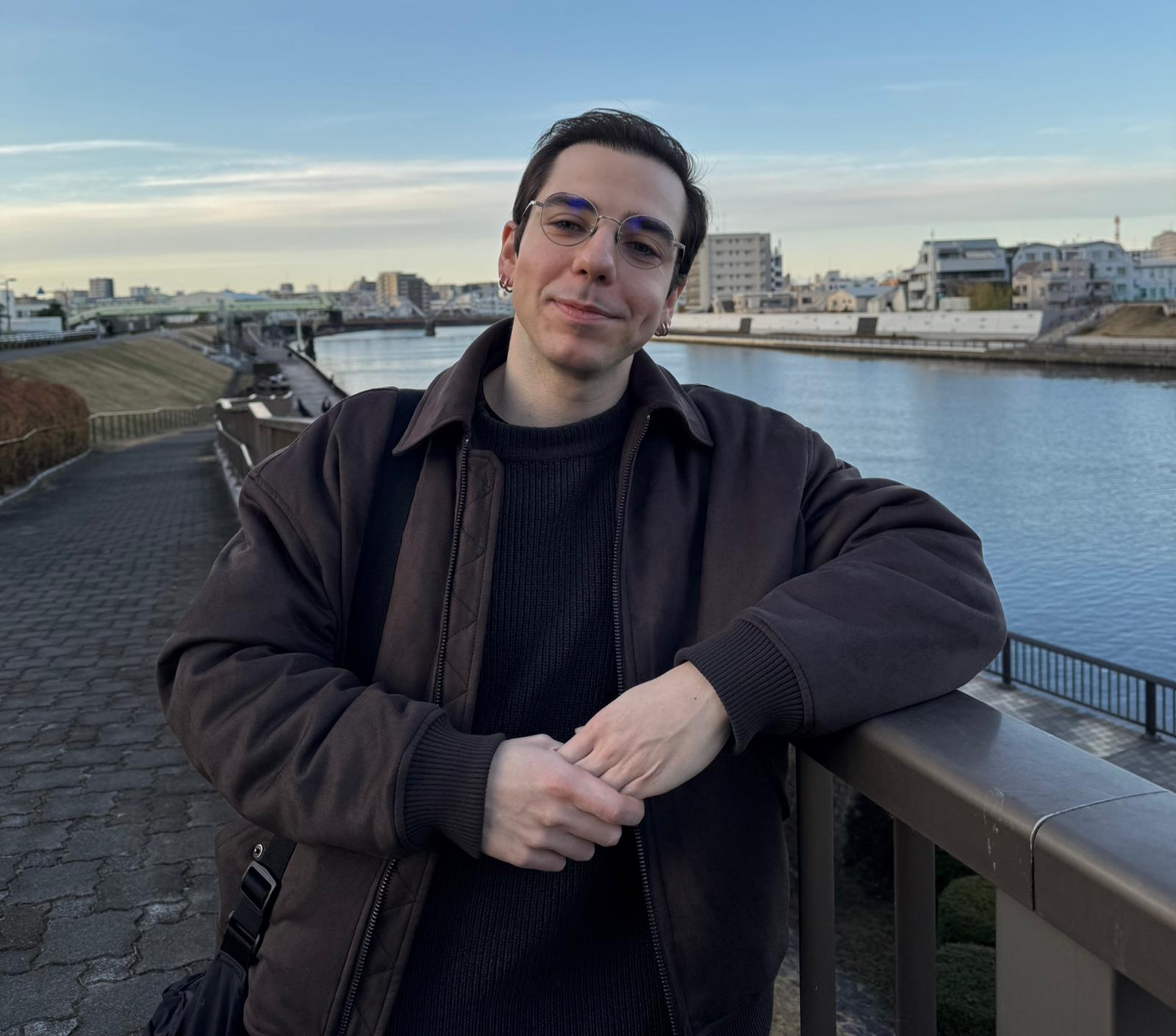 As a result of this approach, Japan is currently lagging significantly behind the modern world, particularly in the fields of software and digital technologies. The inability to challenge the status quo and a deep fear of change are major reasons for this. A system, regardless of its problems, is kept afloat with patches until it becomes clearly inoperable. One of the best expressions sums up this situation: "Japan, since 1980, has been in 2000." The country, which once rose to prominence with great speed and efficiency in mechanical production, automation, and fine craftsmanship, has become trapped in its own unique but closed ecosystem, unable to keep pace with the digital and software-based transformation. The traces of this can be seen in every aspect of daily life in Japan, from restaurants to politics. Those who stand out too much, put in extra effort, or think differently are ostracized, excluded, and often indirectly punished.
4- How has this experience given you a new perspective on your career and future plans?
Berna: I don't know if I'll continue my career in another country in the future, but while I initially planned to stay in Japan for 2-3 years and then move to a job in Europe, it's now becoming a country where I want to live for a long time.
Yiğit: Life in Japan has affected my expectations in an unusual way. Of course, there are people here who put their work at the center of their lives; however, generally, people are freer to do what they love. The exhausting feeling of obligation, such as "I must be a lawyer, engineer, or doctor" or "I must constantly strive for better," is felt less, at least in daily life. Instead, being able to do the work one loves and is capable of is often considered sufficient. Perhaps my previous perspective on this was largely influenced by my own environment, but during my time in Türkiye, I witnessed that jobs labeled as "simpler" were often looked down upon. The most important insight I gained in Japan was learning to enjoy life and appreciate peace instead of constantly chasing after things.
5- Finally, is there anything else you'd like to add?
Berna: Japan is truly an unusual country. Compared to Europe and many other countries, being a "foreigner" elsewhere and being a "foreigner" here is a very different experience, both for better and for worse. But since I first moved here in February 2024, I have never regretted making this choice.
Yiğit: Even though I may have given a negative impression, this was because I wanted to talk about the interesting aspects of life in Japan. Besides that, life in Japan is extremely peaceful; people are valued for being human; everyone's life is solely their own. So, even though I said I didn't have a particular interest in it before moving to Japan, I intend to spend the rest of my life here.